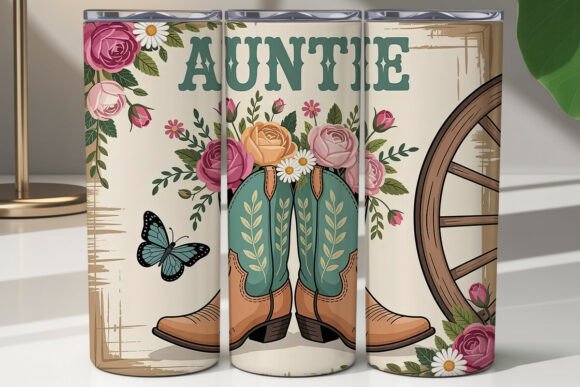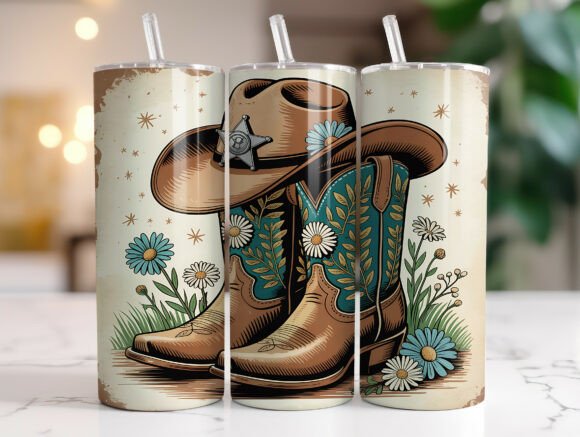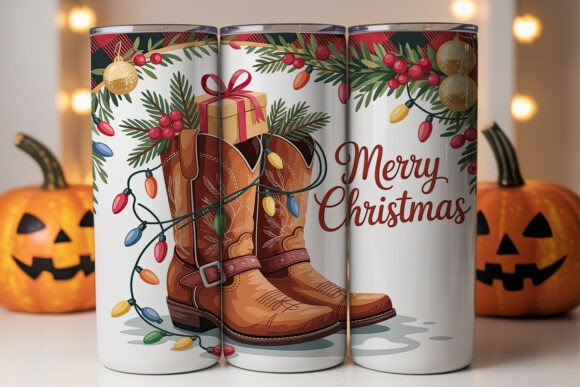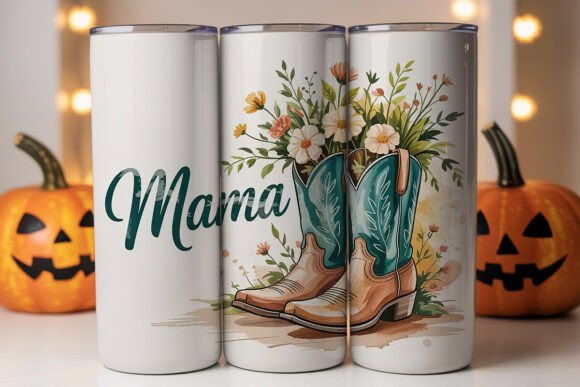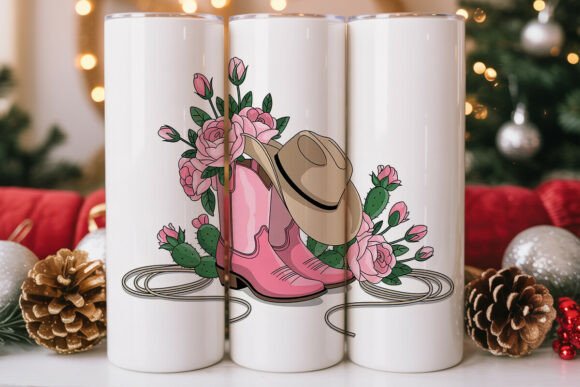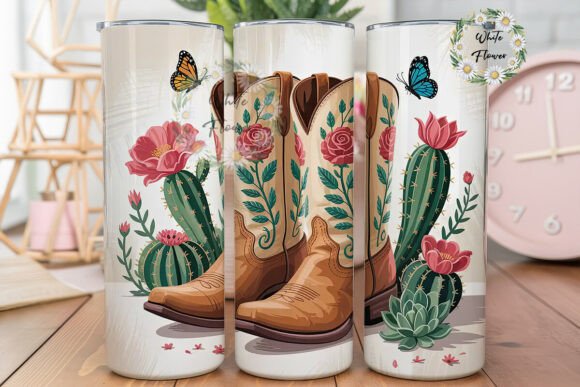
Desert Cowboy Boots 20oz Tumbler Wrap
As a designer who spends more time staring at stitch charts and fabric swatches than sleeping, I approach every new digital asset with a healthy dose of skepticism. The market is flooded with generic clipart disguised as embroidery files, but occasionally, something comes across the desk that actually makes me pause and think about how it will translate to the hoop. That is exactly where Desert Cowboy Boots 20oz Tumbler Wrap sits in my current workflow evaluation. It is not just another graphic; it is a specific visual statement that demands careful consideration before it touches any needle.
When I first opened the preview for this design, the immediate impression was one of grounded, rustic charm. The theme is unmistakable: Western flair meets modern utility. For those of us in the handmade space, knowing your aesthetic niche is half the battle. This design speaks directly to the boho-western trend that has been dominating social media feeds and craft fair booths for the last few years. It feels intentional rather than accidental, which is rare. The layout suggests a wrap-around continuity that, if executed correctly, could turn a standard beverage container into a conversation starter. However, as an experienced reviewer, I know that what looks good on a screen often fights back when it hits the stabilizer.
The Real-World Application Scenario
To truly judge the viability of Desert Cowboy Boots 20oz Tumbler Wrap, we have to move beyond the theoretical and look at a concrete project. Let’s imagine I am preparing a custom order for a client who runs a boutique gift shop specializing in outdoor enthusiasts. She needs a personalized gift set for a holiday launch: a high-quality stainless steel tumbler paired with a matching embroidered patch for a denim jacket. This is where the dual nature of the product description becomes critical.
The description notes that you receive one file straight and one file tapered. In the world of machine embroidery design, this distinction is everything. A straight file works for flat surfaces like tote bags or aprons, while a tapered file is engineered to follow the curvature of a cylindrical object, like our 20oz tumbler. If I were stitching this onto a sweatshirt embroidery project, the straight version would lay beautifully across the chest pocket area. But for the tumbler, the tapered file must align perfectly with the seam lines of the vinyl wrap. My concern here is precision. If the customer does not size the design correctly in their image editing software, the cowboy boots could end up looking stretched or squashed, ruining the entire embroidery project.
Visual Appeal and Stitch Clarity
One of the biggest risks with detailed graphics like this is losing definition during the stitching process. The resolution is listed as 300 DPI, which is excellent for printing, but embroidery relies on stitch density and thread color contrast to create depth. When I evaluate a digital embroidery file, I always check how the fill stitch areas interact with the finer details. If the boot laces or the desert landscape background are too intricate, they might merge into a muddy blob on smaller hoops.
I suspect this design relies heavily on strong outlines and distinct color blocking to maintain its personality. This plays well for handmade products intended for casual wear or home decor. Imagine this wrapped around a kitchen towel or used as a decorative accent on a tote bag design. The boldness of the cowboy motif cuts through the noise of busy fabrics. However, if you plan to use this for baby embroidery on delicate onesies, you need to be cautious. The visual weight of the design might overwhelm a tiny garment unless scaled down significantly, which brings us back to the importance of checking the final dimensions against your hoop size.
Where Caution Is Required
No design is perfect for every surface, and Desert Cowboy Boots 20oz Tumbler Wrap is no exception. There are specific scenarios where this graphic should be used carefully. First, avoid placing this on textured fabrics like heavy waffle knits or bouclé wool without extensive testing. The uneven surface can cause puckering, especially if the design uses dense satin stitch elements for borders or lettering.
Secondly, consider the fabric stretch. If you are attempting to apply this to a custom apparel item made from jersey knit or spandex blends, you risk distortion. The design itself is not seamless, meaning there will likely be a visible break point where the start and end of the wrap meet. On a rigid tumbler, this is manageable. On a curved cap or a pair of fitted jeans, that break point can look messy if not aligned perfectly with a natural seam. Always inspect small details and test it in black and white mockups to ensure the contrast holds up before committing to expensive threads.
Practical Designer Notes for Success
If you are an Etsy seller or running a craft business and decide to incorporate this graphics element into your inventory, follow these practical steps to protect your reputation:
- Test on Scrap Fabric: Never go straight to the final product. Stitch the design on the exact fabric type you intend to sell. This reveals how the thread colors interact with the material and whether the stabilizer choice is adequate.
- Check Licensing: Before listing this as a small shop product, confirm whether you have commercial rights. Many digital assets are for personal use only. Selling finished items without proper licensing can lead to serious legal issues.
- Stabilizer Selection: Use a cut-away stabilizer for permanent applications like tumblers or durable bags. For temporary projects, a tear-away might suffice, but stability is key to preventing migration during stitching.
- Mockup Presentation: Create realistic printable mockups for your online listings. Show customers how the finished product looks in real life. Transparency builds trust and reduces returns due to "expectation vs. reality" mismatches.
Final Verdict on Design Assets
Ultimately, Desert Cowboy Boots 20oz Tumbler Wrap is a strong contender for designers looking to add a touch of Western elegance to their catalog. It fits seamlessly into categories like holiday embroidery, wedding gifts for country-themed events, or general commercial embroidery for brands targeting an outdoorsy demographic. Its versatility as both a straight and tapered file adds significant value, allowing you to serve multiple customer needs with a single purchase.
However, success depends entirely on execution. The difference between a professional-looking embroidered patch and a amateurish attempt lies in the preparation. By respecting the limitations of the fabric, choosing the right hoop size, and understanding the visual weight of the design, you can transform this graphic into a best-selling item. For the creative entrepreneur willing to put in the prep work, this design offers a reliable foundation for building a cohesive, attractive brand identity. Just remember: the file is just the map; your skill as a designer is the vehicle that gets the product to the finish line.