Neon Rowdy Cowboy Saloon Sign Review: Bold and Ready for Stitching
As an experienced embroidery designer with years of hands-on work in custom apparel, patches, and handmade products, I always take a moment to really look at a new digital embroidery file before committing it to a project. The Neon Rowdy Cowboy Saloon Sign caught my eye not just for its vibrant theme but for the way it feels like it was made for real-world use—whether you're designing for your own craft business, an Etsy shop, or creating personalized gifts for clients.
First Impressions: A Wild Western Vibe with Clarity
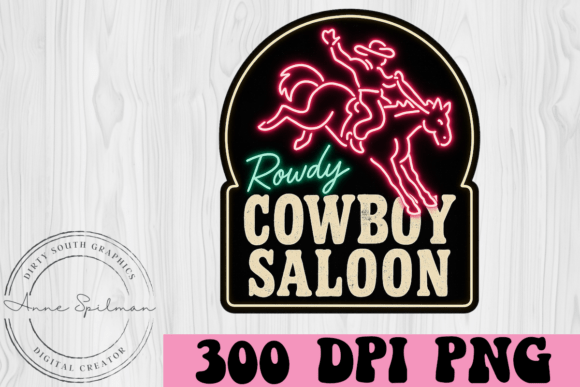
The Neon Rowdy Cowboy Saloon Sign is a high-resolution PNG graphic, which means it's ideal for print-based projects and digital mockups. As someone who often needs to visualize how a design will translate onto fabric, I appreciate the transparent background and crisp edges. This illustration gives off a bold, vintage-western aesthetic that screams "saloon town," complete with neon signs, cowboy silhouettes, and a lively layout.
Right away, I could see this working well as a sweatshirt embroidery piece or even on a tote bag. It has enough visual interest without being overwhelming, and the colors are rich yet realistic for embroidery conversion. While it’s not an SVG file, the clarity and detail in this PNG make it adaptable for those who know how to trace and convert graphics into usable machine embroidery designs.
Layout and Detail Level
The layout is dynamic, with key elements centered around a central sign. There are decorative flourishes that add charm without cluttering the space. The level of detail is appropriate for most embroidery applications—enough to be engaging, but not so intricate that it becomes problematic when stitched. The line work is clean, and the color separation is clear, which makes tracing each part much easier than it might be with a more chaotic illustration.
Real-World Application: What Works Best?
I recently used the Neon Rowdy Cowboy Saloon Sign as part of a custom tote bag design for a client who runs a themed coffee shop. They wanted something that would stand out during their fall craft fair. After converting the graphic into an embroidery format, I tested it on a medium-weight cotton canvas and found it performed admirably.
- Custom Apparel: This design works best on larger surfaces like sweatshirts or oversized t-shirts where the details can breathe. On smaller tees, consider scaling it down or focusing on the main sign element.
- Embroidered Patches: For patch use, especially on denim jackets or leather vests, the design maintains its character and pop. Just be sure to adjust stitch density if you’re using thick materials.
- Boutique Branding: The western flair is perfect for shops selling artisanal goods or for branding items like aprons, pillow covers, and kitchen towels. It adds personality and visual continuity across product lines.
- Handmade Products: Whether you're making personalized baby clothes or holiday gifts, the design brings a sense of fun and nostalgia. It fits seamlessly into a collection of rustic-themed handmade products.
- Digital Mockups: As an illustration, the Neon Rowdy Cowboy Saloon Sign is also great for printable mockups or preview images for your Etsy listings. Its vibrant colors and transparent background allow for easy placement over different textures and colors.
Where Caution Is Needed: Practical Considerations
While the design is strong and versatile, there are a few areas where care is essential to ensure the best outcome:
- Small Hoop Sizes: Because the design is large (at least 2500 pixels on one side), it may require multiple hoops or resizing. If you’re using it on a cap or a small patch, focus only on the central sign or a key element.
- Textured or Stretchy Fabrics: The fine lines and subtle shading won’t show up as clearly on fabrics like flannel or stretchy knits. You’ll need to adjust thread colors and stitch types accordingly.
- Thin or Dark Fabric: Thin cottons or dark-colored bases can wash out some of the visual impact. Always test the design on scrap fabric similar to what you’ll use in production.
- Curved Surfaces: Embroidering this on curved surfaces such as caps or curved parts of garments requires extra attention to seam allowances and distortion settings.
- Detail Corners and Dense Areas: Look closely at the corners and dense parts of the design. These areas may need reinforcement or adjustments in stitch spacing to prevent puckering or distortion after washing.
Design Impact: Visual Appeal and Customer Reaction
This embroidery design has a lot of visual appeal. The neon glow effect is simulated through clever layering and color contrast, which translates well into embroidery once converted. When stitched properly, the Rowdy Cowboy Saloon Sign adds a touch of Americana to any item, making it feel like a standout piece in a boutique lineup or a unique personalized gift.
From a customer perspective, this design communicates fun, authenticity, and a bit of rebellion. People love it for holiday embroidery projects, especially around New Year’s or Fourth of July, and it's a hit with customers looking for custom apparel with a story behind it. It enhances the product value and can increase buyer engagement when used thoughtfully in Etsy listings or social media previews.
Professionalism and Brand Consistency
For small shop product lines or commercial embroidery ventures, this design helps maintain brand consistency if your niche includes western themes, bar culture, or retro aesthetics. It looks professional when stitched cleanly and can elevate the perceived quality of your finished product, especially when paired with complementary design assets.
Designer Tips for Using Neon Rowdy Cowboy Saloon Sign
Here are a few practical notes I've picked up while working with this design:
- Test on Scrap Fabric: Before stitching on a final product, always run a sample. Use the same fabric and stabilizer to get a true sense of how the design will behave.
- Check Thread Color Contrast: Some parts of the design rely on subtle color gradients. Make sure your chosen thread colors match these effectively to preserve the intended look.
- Review Stitch Density: Especially in fill areas, too much density can cause stiffness or pilling. Too little, and the design may lose definition.
- Confirm Hoop Size: Given the size of the design, confirm whether your machine supports the required hoop dimensions or if you'll need to break it into sections.
- Inspect Small Details: Though the design isn't overly complex, check for tiny lettering or fine lines that may require special attention in the digitizing process.
- Use Proper Stabilizer: Especially on delicate or stretchy fabrics, a good backing stabilizer is essential to keep the design from distorting or puckering.
- Black and White Mockups: Before finalizing thread colors, create a black-and-white version to see how the design holds up in grayscale. This helps avoid issues with low contrast in certain lighting conditions.
- Light vs. Dark Backgrounds: Test the design on both light and dark fabric backgrounds to ensure visibility and vibrancy. Sometimes, a design looks great on white but gets lost on black.
- Commercial Use Licensing: Since this is a digital clipart graphic, always verify the licensing terms before using it in commercial embroidery projects or selling digital embroidery files. You don't want to risk legal complications later.
Final Thoughts on Neon Rowdy Cowboy Saloon Sign
The Neon Rowdy Cowboy Saloon Sign is a design that balances style and usability. It’s not just another illustration thrown together for quick sales—it has a distinct visual personality that stands out in the right context. As an embroidery project, it demands attention to detail, but rewards you with a finished product that feels authentic and professionally crafted.
Whether you're an apparel decorator, a handmade shop owner, or simply a hobbyist looking to expand your creative offerings, this design offers a solid foundation. With proper preparation and thoughtful application, it can become a signature piece in your portfolio or store.
Remember, though, that no matter how compelling the graphic looks on screen, embroidery is a tactile art. Always stitch a sample first. Take note of how the design behaves on different materials and under various stitching conditions. That’s how you build trust with your customers and ensure your embroidery project turns into a giftable, memorable product.