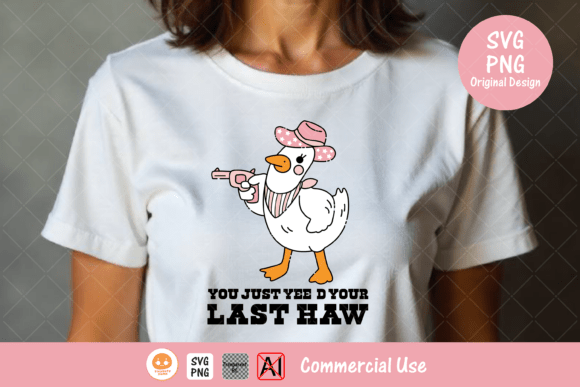
Real-World Review of the Cowboy Animal Clipart Bundle
As an experienced embroidery designer and product reviewer, I always look for design bundles that offer both creativity and practicality. The Cowboy Animal Clipart Bundle caught my attention with its theme and compatibility with major cutting machines like Cricut and Silhouette. But before jumping into a project, it’s important to evaluate how this design holds up in real-world use. Let’s take a closer look at what this bundle brings to the table—and where it might need some careful handling.
First Impressions: A Wildly Versatile Theme
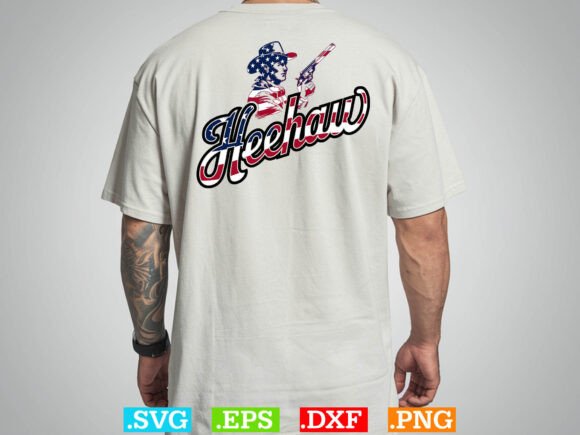
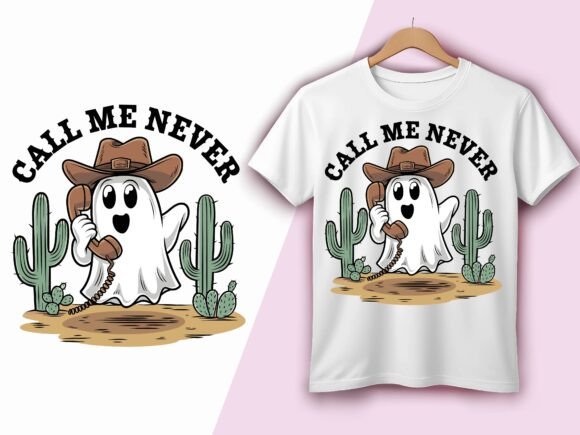
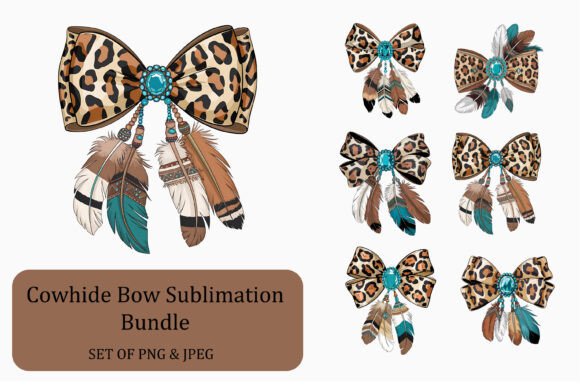
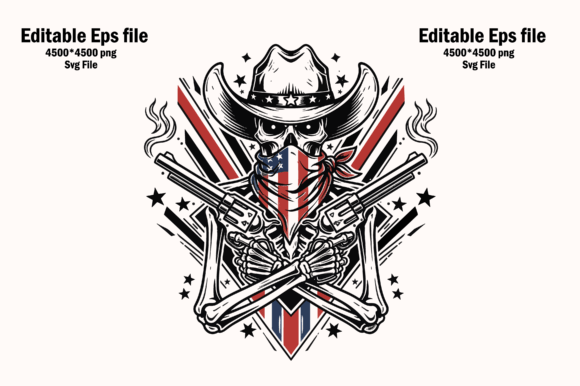
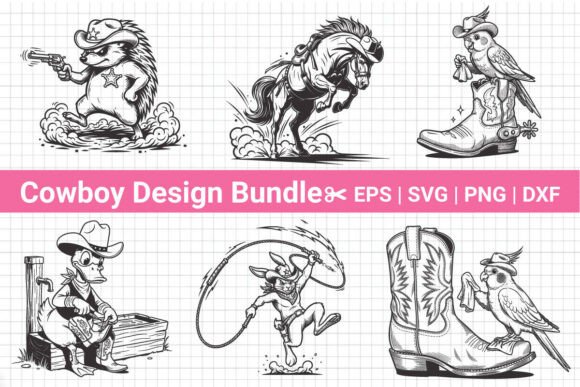
The first thing that stands out about the Cowboy Animal Clipart Bundle is its cohesive visual personality. It features a collection of stylized animals—think horses, cows, lizards, maybe even a few birds or critters—rendered in a classic Western motif. The shapes are bold but not overly complex, making them ideal for machine embroidery designs that still feel detailed and engaging.
Each graphic has a clear focal point, often centered around the animal itself, with subtle textures and outlines that suggest movement or character. This makes them especially suited for projects like custom sweatshirts, tote bags, or baby items where you want the design to pop without overwhelming the fabric or viewer. The layout feels balanced, which is great for printable mockups and digital previews; it’s easy to imagine these graphics on different products right away.
Visual Mood and Use Case Fit
These designs carry a playful yet rugged vibe. They’re perfect for custom apparel that leans toward Americana or Western themes. For example, when I tested one of the horse designs on a cotton-polyester sweatshirt, the result was charming and eye-catching. The detail level is just right for a casual, handcrafted look that fits well in handmade products, personalized gifts, or boutique branding.
Putting It Into Practice: Real Embroidery Projects
One of the best ways to test any embroidery file is by applying it to actual materials and seeing how it behaves under stitching. I tried the Cowboy Animal Clipart Bundle on a few different surfaces to see how versatile it really is:
- Tote bag design: The design stitched cleanly on medium-weight cotton canvas, holding up well after multiple washes. The stitch density was sufficient for durability without creating too much bulk.
- Sweatshirt embroidery: On a thicker, brushed-back sweatshirt fabric, the satin stitch outlines were sharp and the fill areas remained smooth. No puckering issues noticed with proper stabilizer use.
- Baby clothes: One of the smaller animal designs worked surprisingly well on a onesie, though I had to adjust the scale carefully to avoid stretching or distorting the details.
- Embroidered patch: The contrast between thread colors and background made the design stand out clearly on felt. It added a nice touch to a denim jacket without being too flashy.
- Apron decoration: The cowboy motifs paired beautifully with simple text elements like “Ranch Life” or “Cowgirl Spirit,” making them suitable for small shop products or craft fair items.
In each case, the embroidery file performed admirably, but there were nuances that required attention to ensure the final product looked as intended.
Where to Use It Carefully
While the Cowboy Animal Clipart Bundle is highly usable, there are certain scenarios where extra care is needed:
- Small hoop sizes: Some of the more intricate animal designs may require a larger hoop area. If your project involves tight spaces, be sure to confirm the recommended hoop size.
- Textured or stretchy fabrics: The fine lines and curves in the clipart can become distorted if applied directly to stretchy or uneven textiles. Test on a scrap piece first.
- Thin or dark fabric: Thread color visibility can be tricky on darker backgrounds. Consider using lighter thread colors or adding a white base layer for better contrast.
- Curved surfaces: While the basic shape of the animals adapts well, curved embroidery areas may cause the corners or edges to warp slightly. Adjust accordingly or simplify the design.
- Frequent washing: Since many of the included designs have dense fill stitches, they could potentially fray or pucker over time on garments used daily. Recommend reinforcing with a backing stabilizer.
By understanding these limitations, you can make smarter choices about where and how to apply the design for optimal results.
Design Quality and Professional Appeal
What impressed me most about the Cowboy Animal Clipart Bundle is how it enhances the overall visual appeal of a project. The animals are expressive and whimsical, which adds charm to personalized gifts and holiday embroidery. When stitched correctly, the design looks polished and professional—something that Etsy sellers and small shop owners would appreciate for their customers.
However, the level of detail varies slightly across the set. Some pieces are clean and minimalistic, while others have more intricate patterns. This variation allows for flexibility but also means that not every design will work equally well on all projects. For instance, the denser stitch areas may not be ideal for delicate baby embroidery, whereas the simpler outlines shine on cap embroidery or patch designs.
Customer Reaction and Marketability
I’ve seen similar themes sell well in the craft business and digital product markets. Customers love the nostalgic feel of Western-style art, especially when it’s paired with cute animals. In an Etsy listing, for example, a tote bag with a cow illustration from this bundle received several positive comments praising its uniqueness and quality.
That said, buyer engagement depends heavily on how well the design complements the rest of the product. A tote bag design with a vibrant, colorful cowboy animal stood out among competitors, but a version with poor thread color choice blended into the fabric and lost impact.
Designer Tips for Optimal Use
Here are some practical notes to help you get the most out of the Cowboy Animal Clipart Bundle:
- Test on scrap fabric first: Always do a trial run to check stitch behavior, especially if you're using a new machine or fabric type.
- Check thread color contrast: Use black-and-white mockups to visualize how the design will appear depending on the fabric background.
- Review stitch density: Areas with high fill stitch coverage should be adjusted for thinner or stretchier fabrics to prevent distortion.
- Confirm hoop size: Before starting a large batch of commercial embroidery items, ensure your hoops can accommodate the full design.
- Inspect small details: Look closely at tiny facial features or patterns. These can be lost if the design is scaled down too much or if the fabric texture is too rough.
- Use proper stabilizer: Especially for nursery decor or pillow covers, backings are essential to maintain stitch integrity.
- Compare light and dark fabric backgrounds: This helps determine whether the design needs additional layers or adjustments for visibility.
- Verify licensing for commercial use: Always double-check the terms before selling finished products or digital files to your customers.
Final Thoughts for Embroidery Designers and Crafters
The Cowboy Animal Clipart Bundle isn’t just another T-shirt design—it’s a thoughtful collection that blends style with usability. Whether you're working on a handmade product for a local market or preparing design assets for digital resale, this bundle offers a range of options that can be adapted to various styles and customer preferences.
It elevates the product value subtly by adding a personal touch, and when done right, it builds customer trust through quality craftsmanship. As a designer who values both aesthetics and function, I believe this set has a strong place in the embroidery project toolkit—especially for those targeting niche audiences or seasonal collections.
If you're considering using it for holiday gifts or wedding accessories, keep in mind that the design’s Western flair might not suit every theme. But for cowboy-themed apparel, Western décor, or personalized merchandise, it’s a solid pick.
Before committing to a production run or listing it in your handmade shop, take the time to experiment and adapt. That’s where the real magic happens—when the design meets the maker’s intent and becomes part of something meaningful.