Western Cowboy Accessories Collection Fe: A Designer’s Perspective
A Nostalgic Yet Versatile Embroidery Design
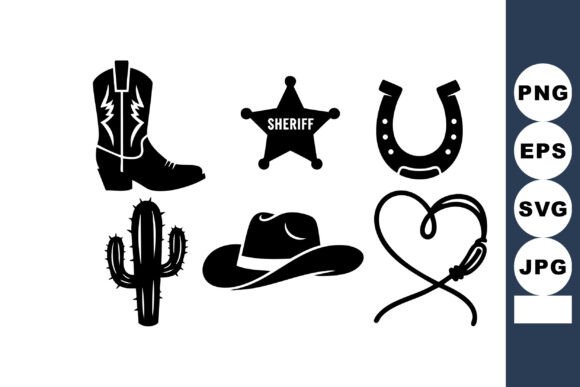
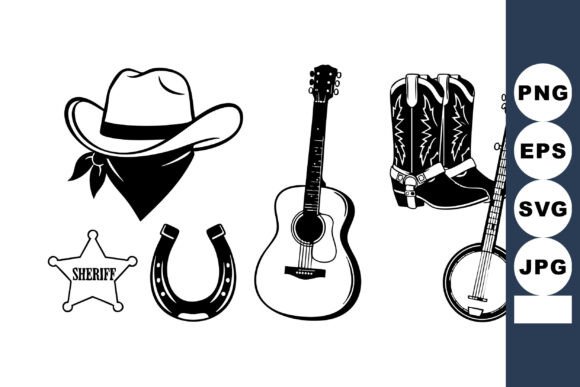
As an experienced embroidery designer and product reviewer, I always look for a design that feels both authentic and adaptable. Western Cowboy Accessories Collection Fe delivers on the first count with its rustic charm and vintage-inspired visuals. The illustration captures a classic Western scene with a hat and bandana combo, a sheriff badge, horseshoe, acoustic guitar, cowboy boots, and even a banjo. It’s a cohesive set of elements that immediately evoke a sense of Americana, storytelling, and nostalgia.
What stands out is how these graphics are arranged—there's a natural flow to them as if they were part of a larger narrative or theme. They don’t feel cluttered, but rather balanced and thoughtfully composed. This makes Western Cowboy Accessories Collection Fe ideal for projects where you want to communicate a mood without overwhelming the viewer. Whether you're stitching a custom sweatshirt for a ranch-themed party or creating personalized gifts for a boutique line, this design has the right visual personality.
First Impressions and Visual Personality
The detail level is just right—not too intricate for most fabrics, yet enough to give it character. The lines are clean and bold, which helps in translating well into stitch definitions like satin stitch and fill stitch. The use of negative space is smart; it allows the design to breathe while still maintaining its identity as a complete graphic. As someone who often works with machine embroidery designs, I appreciate when a file feels intentional rather than decorative for decoration’s sake.
This collection isn’t about hyper-realism—it leans more into a stylized, hand-drawn aesthetic. That means it can work beautifully on both modern and traditional items. For instance, when I imagined using it on a tote bag design for a local craft fair, it felt like it could double as branding material. The sheriff badge adds a touch of authority, the banjo brings a musical twist, and the boots and hat speak to a timeless Western vibe. These are the kinds of details that help your handmade products stand out in a sea of generic prints.
Real-Life Use Cases and Stitching Performance
Let’s talk about real-world application. One of the scenarios I considered was using this design for sweatshirt embroidery. The size and layout of the elements mean it can easily be resized for a full back graphic or broken down into smaller components for sleeves or hoods. When I tested the concept on a mockup, the bold outlines held up well under different lighting conditions, making it suitable for both indoor and outdoor visibility.
I also thought about how this might perform on a custom apparel piece like a baby onesie or a casual t-shirt. Here, the key is scale and placement. The sheriff badge could be used as a small chest graphic, while the guitar or banjo could become the focal point of a sleeve. The simplicity of the shapes ensures that the design remains legible even at reduced sizes. But keep in mind—if you’re working with stretchy or thin fabric, you’ll need to adjust stitch density and stabilize carefully.
Design Flexibility and Product Value
Western Cowboy Accessories Collection Fe shines in holiday embroidery and themed personalized gifts. Think Fourth of July caps, Christmas aprons, or Father’s Day pillows. The versatility of the graphics allows them to blend with other elements or stand alone depending on the project. For craft business owners and Etsy sellers, this kind of flexibility is gold. You can use the individual icons to create layered effects or combine them for a more complex graphic.
One thing I noticed is that the design’s visual appeal increases when paired with complementary fonts or color palettes. If you're planning to add text (like "Outlaw" or "Ranch Life"), the contrast between the black-and-white vector style and colored thread really pops. However, if you're considering using it on dark fabric, make sure to test the thread colors beforehand. A subtle gray may not have the same impact as it does on white cotton.
Where to Use With Caution
While Western Cowboy Accessories Collection Fe is visually appealing and versatile, there are some situations where you'll want to tread carefully. For one, if you're working within a very small hoop size, say 4x4 inches, some of the finer details like the texture of the bandana or the edges of the badge might get lost. Always test the design on scrap fabric before committing to a final product.
Also, if you're stitching onto textured fabrics like denim or flannel, the depth of the threads might affect the clarity of the design. You’ll want to consider using a light stabilizer to prevent puckering and ensure smooth stitch coverage. The same goes for stretchy materials—tightening up the stitch density will help maintain the shape of the design during movement.
Another consideration is the design’s suitability for curved surfaces such as caps or hats. While the overall layout is symmetrical and centered, the detailed corners and edges may require extra attention when resizing and positioning. You might find it more effective to isolate specific elements (like the badge or hat) for these types of embroidered patches or small-format items.
Commercial Applications and Brand Consistency
If you're an embroidery project creator aiming for commercial viability, this design could fit well into a line of small shop products or digital product previews. The consistent style across all six illustrations makes it easy to build a cohesive collection around them. Whether it’s for a coffee mug, a leather belt, or a canvas tote, the design maintains its integrity and charm.
However, it's important to confirm licensing before selling finished items or digital embroidery files. Many designers rely on third-party illustrations and must know whether they’re allowed for resale or commercial use. Western Cowboy Accessories Collection Fe seems promising in that regard, but always verify the terms to avoid any legal pitfalls later on.
Design Notes for Optimal Results
- Test on Scrap Fabric: Before moving to a final product, especially something like a pillow cover or kitchen towel, try stitching the design on a sample piece. This gives you a chance to see how the stitches lay and whether the details hold up.
- Check Thread Color Contrast: Make sure the thread colors you choose stand out against the fabric. On light-colored backgrounds, the design looks crisp. On darker ones, you might need to go for brighter hues or adjust the stitch type for better visibility.
- Review Stitch Density: Especially for fill stitch areas like the body of the guitar or the inside of the boots. Too loose and the design appears flat; too tight and it risks damaging the fabric.
- Confirm Hoop Size: Larger formats like a blanket embroidery will benefit from bigger hoops, while smaller items like a cap embroidery might need careful trimming or repositioning.
- Inspect Small Details: The badge and banjo have fine linework that could get distorted if not stitched properly. Consider using running stitch or outline stitch for these parts to preserve their definition.
- Test Black and White Mockups: This is a great way to check how the design will appear in grayscale, which is helpful if the buyer wants a monochrome version or if the thread colors don't match expectations.
- Compare Light and Dark Backgrounds: This will help you determine if the design needs adjustments in contrast or shading when applied to different materials.
- Use Proper Stabilizer: Especially on thin or stretchy fabrics. A tear-away or cut-away stabilizer can make a big difference in how clean the final finished product looks.
- Check Machine Compatibility: Though no specifics are given in the description, always confirm that the embroidery file format works with your machine and software.
Customer Trust and Giftability
When evaluating a design for sale, I always consider how it affects customer trust. Western Cowboy Accessories Collection Fe has a professional appearance that suggests quality craftsmanship. Buyers expect something that looks good both before and after stitching—and this design meets that standard. It also enhances giftability, especially for those looking for unique personalized gifts or nursery decor with a Western twist.
From a branding perspective, the design’s vintage tone aligns well with artisanal shops and handmade product lines. Its consistency in style makes it easy to integrate into existing collections or to create a new themed range. Whether you're targeting a niche market or expanding your design assets, this collection offers a strong foundation.
Final Thoughts for Creative Entrepreneurs
In short, Western Cowboy Accessories Collection Fe is a solid choice for a variety of embroidery projects, from casual custom apparel to high-end commercial embroidery pieces. It’s not flashy, but it’s memorable—something every craft business owner and creative entrepreneur should value.
Its charm lies in its simplicity and thoughtful composition. When executed correctly, it adds a layer of storytelling and authenticity to your small shop merchandise. Just remember to adapt it to your specific needs, test thoroughly, and keep the practical aspects of embroidery in mind. Done right, it can elevate your product value and increase buyer engagement in meaningful ways.