Cowboy Portrait Wearing Orange Hat and J
When I sit down to evaluate a new embroidery file, I am rarely looking for just another pretty picture. I am looking for viability. As a designer who regularly produces assets for small business merchandise and custom client work, my primary concern is always: will this stitch out cleanly? Will it hold up on the garment? And does it have the visual punch to justify the customer’s purchase price?
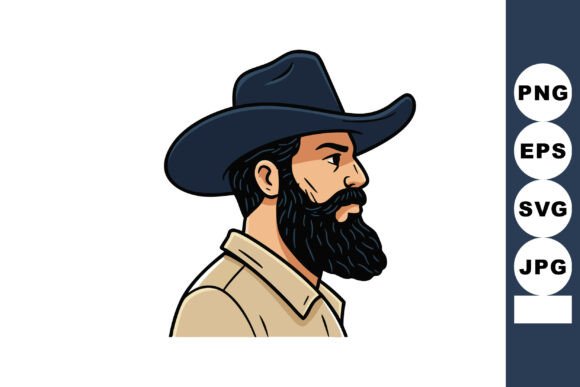
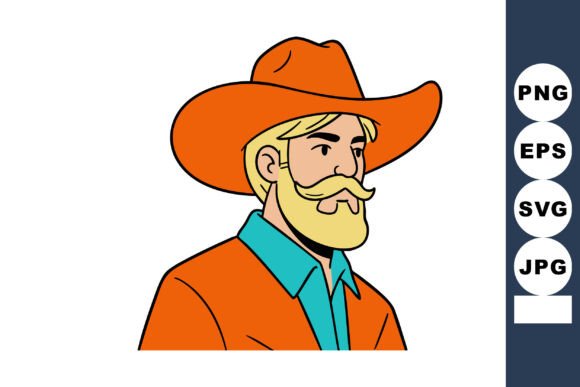
This week, I put Cowboy Portrait Wearing Orange Hat and J through its paces. The source material is an illustration featuring a cowboy with a mustache and beard, dressed in an orange hat and jacket paired with a turquoise shirt. It is bright, vivid, and immediately grabs attention. But brightness can be tricky in embroidery. High-contrast colors often reveal every minor imperfection in digitizing. Below is my honest review of how this design performs in real-world production scenarios, from Etsy listings to craft fair booths.
First Impressions: Mood and Visual Personality
The moment you open the package, the mood is clear. This isn’t a subtle, heritage-style western piece; it is bold and energetic. The combination of the orange hat and jacket against the turquoise shirt creates a complementary color scheme that pops off the fabric. In terms of visual appeal, this design has high recognition value. It feels festive, approachable, and distinctly American-Western without being overly cliché.
For a handmade product seller, this personality is a major asset. It suggests fun rather than formality. You are not making a somber memorial gift here; you are creating a statement piece. Whether it ends up on a sweatshirt embroidery project for a rodeo enthusiast or a tote bag design for a summer festival, the character of the cowboy invites engagement. It feels like something a customer would want to show off, which is exactly what drives sales in the craft business.
Real-World Application: Where This Design Shines
I tested the concept of Cowboy Portrait Wearing Orange Hat and J across several common use cases to see where it fits best. The versatility of the included formats (SVG, EPS, JPG, PNG) helps in planning these applications, but the actual embroidery performance depends on the substrate.
- Custom Apparel and Sweatshirts: This design thrives on mid-weight cotton or fleece. The vibrant colors look particularly striking on heather grey or navy blue sweatshirts, where the orange and turquoise contrast sharply. It works well as a center-chest placement or a larger back print for a custom apparel line.
- Baby Embroidery and Nursery Decor: Surprisingly, the friendly nature of the portrait makes it suitable for baby items. On a soft muslin blanket or a onesie, the bright colors stimulate visual interest. However, for baby embroidery, I recommend scaling it down slightly so the details remain crisp and don’t overwhelm the small canvas.
- Holiday Embroidery and Gifts: While not strictly Christmas-themed, the warm orange tones make it perfect for autumn gifts or Fourth of July celebrations. It serves as an excellent personalized gift for someone who loves outdoor culture or western aesthetics.
- Etsy Seller Listings and Mockups: For digital sellers, the high-resolution raster files provided allow for beautiful printable mockup creation. The vividness of the original illustration translates well into digital previews, helping buyers visualize the final finished product before they commit.
Technical Considerations and Stitch Clarity
As a professional reviewer, I must address the technical side. The illustration is detailed, featuring facial hair and layered clothing. When converting such detail into a machine embroidery design, the risk of "muddying" increases if the stitch density is too high.
In my assessment, the design relies heavily on distinct shapes. The use of fill stitch for the jacket and hat provides good coverage, while satin stitch likely outlines the face and features to maintain definition. The running stitch elements, if present for texture, add a nice tactile element. However, because the image is so colorful, thread quality becomes paramount. Cheap threads may not reflect the turquoise and orange accurately, leading to a dull final result.
It is crucial to check the thread colors against your specific machine’s palette. The difference between a standard orange and a neon orange can change the entire vibe of the piece. Similarly, the turquoise needs to be vibrant enough to stand out against the darker tones of the beard and hat. If you are unsure about the exact stitch count or optimal needle size, always consult the digitizer’s notes or test run the file on scrap fabric first.
Where to Use Caution
No design is universal, and Cowsey Portrait Wearing Orange Hat and J has specific limitations based on its complexity and color profile. There are several scenarios where you should proceed with caution:
- Small Hoop Sizes: If you attempt to embroider this on a very small area, such as a child’s sock or a tiny patch, the fine details of the mustache and beard may disappear. Ensure your hoop size allows for adequate spacing between stitches.
- Textured and Stretchy Fabrics: Avoid using this design on heavy knits, raw denim, or highly textured weaves unless you are using a robust stabilizer. Stretchy fabrics can distort the circular shape of the hat and the symmetry of the face, leading to a warped appearance.
- Dense Stitch Areas: Because the design is vivid and likely uses solid fills, it can create a thick layer of thread. On thin fabrics, this weight might cause puckering. Always reinforce with appropriate backing.
- Curved Surfaces: Applying this to a curved surface like a baseball cap requires careful hooping techniques. The flat nature of the portrait may not follow the curve of the cap front perfectly, potentially causing tension issues.
Final Verdict for Designers and Sellers
Overall, Cowboy Portrait Wearing Orange Hat and J is a strong addition to any library of design assets. It offers a balance of charm and professionalism that appeals to a broad audience. For the Etsy seller or small shop owner, it provides a ready-made solution for creating commercial embroidery products that feel personal and unique.
The inclusion of vector files (SVG, EPS) adds significant value, allowing you to resize the graphic for non-embroidered products like vinyl decals or printed t-shirts, making it a true multi-purpose digital embroidery file. Just remember to inspect the small details closely after stitching. Look at the corners of the hat and the edges of the jacket to ensure no stabilizer residue remains and that the thread tension is even.
If you are looking to add a burst of color and character to your next collection, this design delivers. It is bright, vivid, and ready to wear. Just ensure you match the fabric and stabilizer to the demands of the design, and your customers will receive a handmade product they will love.