Cowboy Riding Brown Horse in Desert with
When I evaluate a new embroidery file for my own studio or client work, I am rarely impressed by the initial digital preview alone. I need to know how it behaves under the needle, how the thread colors interact with fabric texture, and whether the final finished product justifies the time investment. Recently, I reviewed an Illustrations category asset titled "Cowboy Riding Brown Horse in Desert with." At first glance, it appears to be a standard Western motif, but upon closer inspection of its layout, detail level, and thematic mood, it reveals itself as a versatile design asset with specific strengths and limitations for real-world application.
First Impressions and Visual Personality
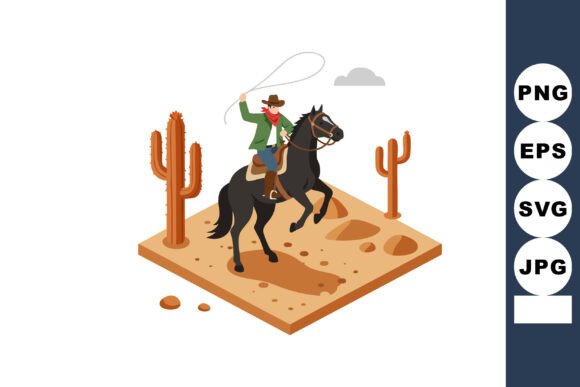
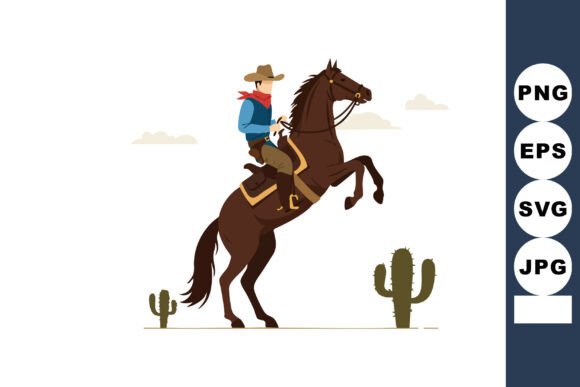
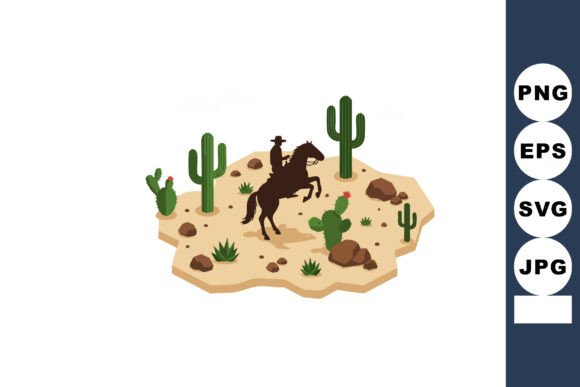
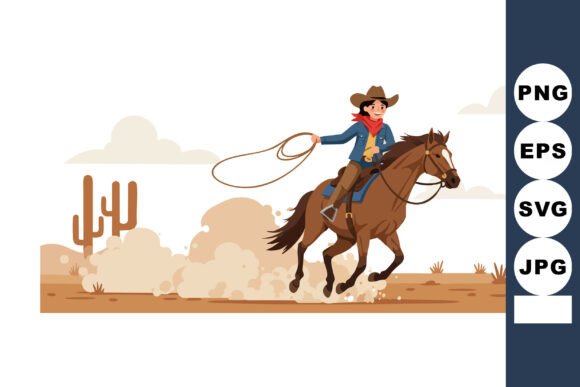
The core strength of this design lies in its dynamic composition. The illustration captures a cowboy wearing a hat and scarf, riding a brown horse through a desert landscape complete with cactus and dust elements. This creates an adventurous mood that is immediately recognizable. For an embroidery designer, the challenge is always translating illustrative lines into stitchable paths without losing character.
Visually, the piece feels rugged yet approachable. It avoids being overly cluttered, which is crucial for maintaining clarity in smaller hoop sizes. The inclusion of environmental details like dust and cacti adds depth, suggesting that this is not just a static portrait but a scene. This narrative quality makes it particularly effective for handmade product lines that aim to tell a story, such as boutique branding or themed gift sets. The visual personality is bold enough to stand out on a sweatshirt but detailed enough to hold interest when viewed up close on a tote bag.
Real-World Application: Where This Design Shines
In my experience, designs with strong thematic anchors perform best when applied to products that align with their aesthetic. This cowboy motif naturally fits into several categories where demand is steady, particularly among crafters and Etsy sellers looking for unique inventory.
- Custom Apparel: This design excels on heavyweight fabrics. Imagine this embroidered on the chest of a denim jacket or the back of a crewneck sweatshirt. The rugged theme complements the durability of these materials, creating a cohesive look that appeals to outdoor enthusiasts and fans of Western fashion.
- Tote Bags and Aprons: A tote bag design featuring this imagery can elevate a simple canvas bag into a statement piece. Similarly, placing it on a kitchen apron adds a touch of rustic charm, making it an excellent choice for personalized gifts or small shop merchandise aimed at home cooks who appreciate country decor.
- Holiday Gifts and Seasonal Items: While not strictly holiday-themed, the adventurous spirit fits well with fall and winter gifting seasons. It works beautifully as a personalized gift for birthdays or Christmas, especially for those who enjoy camping, hiking, or ranch life.
- Baby Embroidery and Nursery Decor: Surprisingly, this design can also work for baby embroidery if scaled appropriately. A softer color palette applied to a baby blanket or nursery pillow cover can create a warm, adventurous theme for a child’s room, moving away from traditional animals toward a more narrative-driven decor style.
Technical Considerations and Stitching Challenges
As an experienced reviewer, I must highlight areas where this design requires careful execution. Not all machine embroidery designs are created equal, and the complexity of this illustration demands attention to stitch density and placement.
Small Hoop Sizes: If you plan to digitize or use this design in a 4x4 inch hoop, you may encounter issues with detail loss. The dust clouds and facial features of the cowboy might become muddy if the stitch density is too high for the available space. It is safer to use larger hoops (5x7 inches or bigger) to preserve the integrity of the lines and shading.
Fabric Texture and Contrast: The success of any embroidery project depends heavily on thread color contrast. On dark fabrics, ensure your digitizer has used adequate underlay stitches to prevent the thread from sinking into the weave. On textured fabrics like burlap or heavy tweed, fine details may get lost. I recommend testing this on smooth cotton twill or felt first to gauge how the thread colors pop against the background.
Dense Stitch Areas: The horse’s mane and the cowboy’s scarf likely contain dense fill stitches. Without proper stabilizer support, these areas can pucker, distorting the shape of the horse. Always use a cut-away stabilizer for stretchy fabrics or garments that will undergo frequent washing, such as caps or t-shirts, to maintain long-term durability.
Where to Use With Caution
There are specific scenarios where this design might struggle:
- Curved Surfaces: Applying this to a curved surface like a baseball cap can distort the perspective of the rider. The horizon line of the desert may appear warped, breaking the immersion of the scene.
- Thin Fabrics: Delicate fabrics like silk or thin rayon may not support the weight of the stitching required for this level of detail, leading to tearing or excessive stiffness.
- Decorative Accents: Using this as a tiny decorative accent on a sleeve cuff or collar may result in a cluttered look rather than a refined one. It is better suited for focal points on the chest, back, or center of a garment.
Impact on Brand Value and Customer Trust
For Etsy sellers and craft business owners, the quality of the embroidery directly impacts customer trust. A poorly executed design can make a brand look amateurish, whereas a clean, well-stitched image conveys professionalism. This cowboy motif, when stitched correctly, adds a layer of sophistication to commercial embroidery projects. It signals that the maker cares about detail and narrative, which can justify higher price points for custom apparel and gift items.
Furthermore, the versatility of the design allows for diverse marketing angles. You can market it as a holiday embroidery gift, a western-themed accessory, or a unique piece of nursery decor. This flexibility increases the potential reach of your product listings and helps in creating compelling printable mockups for social media promotion.
Practical Designer Notes Before You Start
Before committing to a full production run or a custom order, follow these practical steps:
- Test on Scrap Fabric: Always run a test stitch on the exact fabric you intend to use. Check for puckering, thread breaks, and color accuracy.
- Review Stitch Density: Inspect the digitization for overly dense areas. If possible, adjust the stitch count to reduce bulk, especially for wearable items.
- Check Licensing: Confirm whether the digital embroidery file includes commercial rights if you plan to sell finished items. Many design assets are for personal use only.
- Black and White Mockup: View the design in grayscale to ensure that the contrast between different elements (horse vs. background) remains clear without the aid of color.
- Stabilizer Selection: Choose the right stabilizer based on the fabric type. Cut-away for knits and stretchy materials; tear-away for wovens and stable fabrics.
In conclusion, "Cowboy Riding Brown Horse in Desert with" is a robust design option for makers looking to add a touch of adventure to their portfolio. Its strong visual identity and thematic appeal make it suitable for a wide range of products, from sweatshirt embroidery to embroidered patches. By paying attention to technical details like hoop size, fabric choice, and stitch quality, you can transform this digital illustration into a stunning physical reality that resonates with customers and enhances your brand’s creative output.