Cowboy Riding Rearing Brown Horse in Wes
When I open a new machine embroidery design to evaluate for my own studio or client work, I am rarely impressed by the file name alone. I look at the composition, the implied motion, and the potential for stitching clarity. That is exactly why Cowboy Riding Rearing Brown Horse in Wes caught my attention immediately. This is not just another static western motif; it is a dynamic illustration that translates surprisingly well into thread form, provided you understand its structural demands.
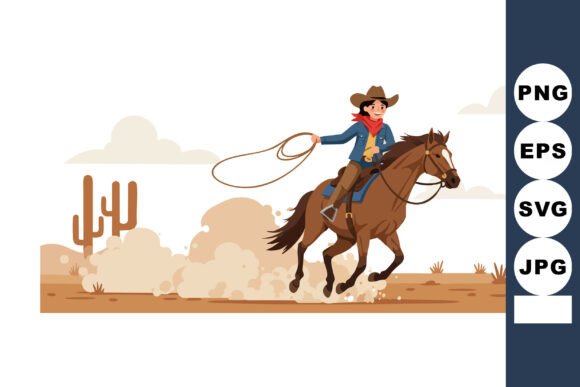
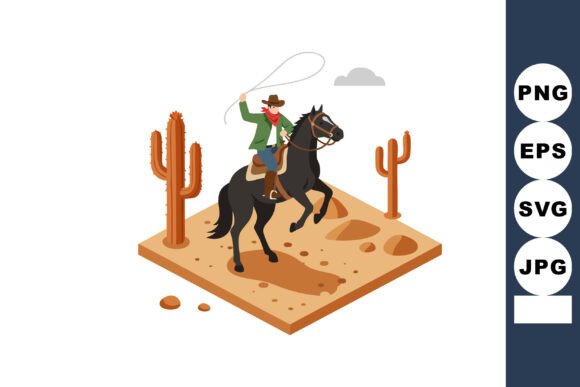
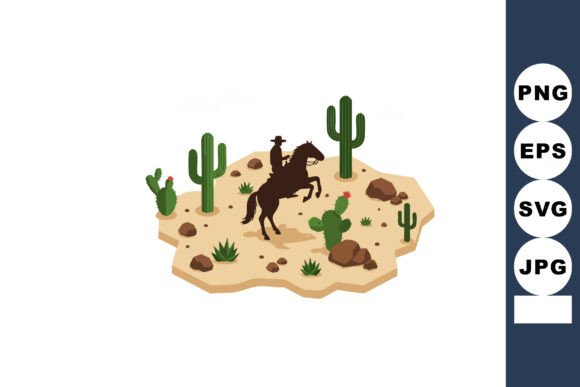
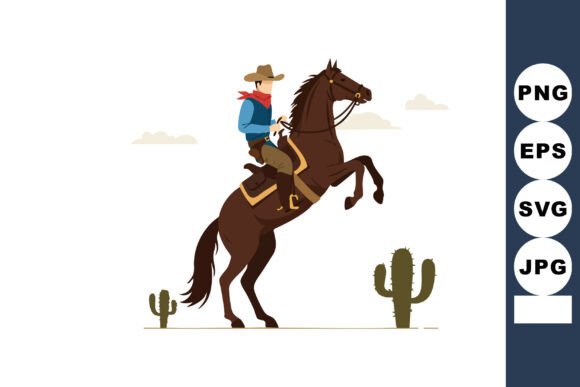
The product description highlights a cowboy in a hat and scarf riding a rearing brown horse in a desert setting with cacti and light clouds. From a designer’s perspective, this creates an immediate sense of adventure and movement. The mood is energetic, rugged, and distinctly Americana. For those of us who create custom apparel or boutique merchandise, capturing that specific "wild west" spirit without looking cartoonish is a challenge. This design leans into a graphic, illustrative style that works beautifully for embroidery project applications where bold shapes and clear silhouettes are required.
First Impressions: Mood and Visual Personality
The first thing I noticed when reviewing the digital assets was the balance between detail and negative space. The rearing horse provides a strong vertical anchor, while the desert background elements—cacti and clouds—add texture without overwhelming the central figure. This is crucial for stitch density. If every cactus spine were rendered in fine detail, the resulting fabric would be stiff and prone to puckering. Instead, the design appears to rely on broader strokes and distinct color blocks, which suggests a smoother hand-feel on the finished garment.
The inclusion of the scarf adds a nice touch of fluidity. In embroidery, flowing elements like scarves or reins can be tricky. They often require careful satin stitch execution to avoid tangling. However, given the illustrative nature of this graphics package, it likely uses fill stitches or longer running stitches to suggest movement rather than trying to replicate every fold of fabric. This makes it a smarter choice for high-volume production or busy craft fair booths where consistency matters.
Real-World Application: Where Does It Shine?
I recently considered using a design like this for a custom order—a set of personalized gifts for a client who runs a ranching school. The Cowboy Riding Rearing Brown Horse in Wes concept fits perfectly into that niche. Here is how I see it performing across different product categories:
- Sweatshirt Embroidery: This is perhaps the strongest use case. The rugged theme pairs naturally with heavyweight cotton or fleece. Placing the design on the chest or as a large back print gives it room to breathe. The brown tones of the horse will pop against navy, charcoal, or heather grey fabrics.
- Tote Bag Design: Canvas totes are a staple for Etsy sellers and small shop products. A rearing horse graphic looks fantastic stamped or embroidered on canvas. It conveys durability and style, appealing to outdoor enthusiasts.
- Embroidered Patch: Because the design has a defined subject (the cowboy and horse), it translates exceptionally well into a patch format. You could easily digitize this for applique or dense stitch patches intended for denim jackets or backpacks.
- Baby Embroidery: While the theme is rugged, the illustration style is soft enough for nursery decor or baby blankets. A smaller version on a muslin swaddle or a burp cloth adds a unique, non-traditional touch to baby showers.
- Holiday Embryoidery: Western themes remain popular year-round, but they see spikes during summer festivals and autumn fairs. This design is versatile enough to fit into seasonal marketing campaigns for handmade goods.
Technical Considerations and Fabric Choices
No design is perfect out of the box, and Cowboy Riding Rearing Brown Horse in Wes is no exception. As an experienced reviewer, I must point out where caution is needed. The design includes multiple elements—the rider, the horse, the cacti, and the clouds. If you attempt to stitch this on a small hoop size, such as 4x4 inches, you risk losing the definition of the facial features or the texture of the horse’s mane.
I strongly advise testing this on scrap fabric before committing to your final product. Pay close attention to the thread colors. The description mentions a brown horse and a desert background. On dark fabric, you may need to add a stabilizing underlay or choose lighter thread shades to ensure contrast. Conversely, on light fabric, ensure the brown tones do not get lost if the lighting in your photos is too warm.
Also, consider the fabric texture. This design will look best on stable, woven fabrics like cotton twill, denim, or canvas. Avoid stretchy knits unless you are using a heavy-duty stabilizer, as the tension from the fill stitch areas might distort the shape of the rearing horse. Thin fabrics, like sheer chiffon or lightweight jersey, are generally poor candidates for this level of detailed illustration unless heavily backed.
Stitch Density and Hoop Size
While exact stitch counts vary by digitizer, designs with this much visual information typically have medium-to-high density. Ensure your machine is equipped with a hoop size large enough to accommodate the entire scene without excessive re-hooping. Re-hooping complex scenes like this can lead to registration errors, where the horse’s legs don’t align perfectly with the body. If possible, use a larger hoop (such as 5x7 or 6x10) to maintain integrity.
Another critical step is to inspect the small details. The cacti and clouds provide atmospheric depth, but if they are too small, they may disappear into the fabric texture. A quick black-and-white mockup check can help you determine if the contrast levels are sufficient for your chosen thread palette.
Commercial Viability and Brand Consistency
For commercial embroidery businesses, the value of a design lies in its ability to sell. Cowboy Riding Rearing Brown Horse in Wes taps into a timeless aesthetic. Customers trust brands that offer cohesive, high-quality imagery. Using a well-composed illustration like this signals professionalism. It tells the buyer that you care about the artistic merit of your handmade product, not just the convenience of mass-produced templates.
This is particularly important for digital product sellers who create printable mockups. The clean lines and clear subject matter make it easy to visualize on various garments. Whether you are selling the digital embroidery file itself or creating physical goods, the visual appeal remains consistent. It bridges the gap between hobbyist charm and boutique polish.
Final Verdict
In summary, Cowboy Riding Rearing Brown Horse in Wes is a robust, visually engaging design that offers great potential for a variety of embroidery project types. Its strength lies in its dynamic composition and thematic clarity. It works beautifully on sweatshirts, totes, and patches, offering a rugged yet stylish aesthetic that appeals to a broad audience.
However, success depends on execution. Test your stabilizer choices carefully. Verify your hoop size constraints. And always, always run a test stitch on the actual fabric you intend to use. When done correctly, this design will result in a finished product that feels adventurous, professional, and deeply satisfying to wear or display. For any craft business looking to expand their western or outdoor-themed inventory, this is a solid addition to your library of design assets.